
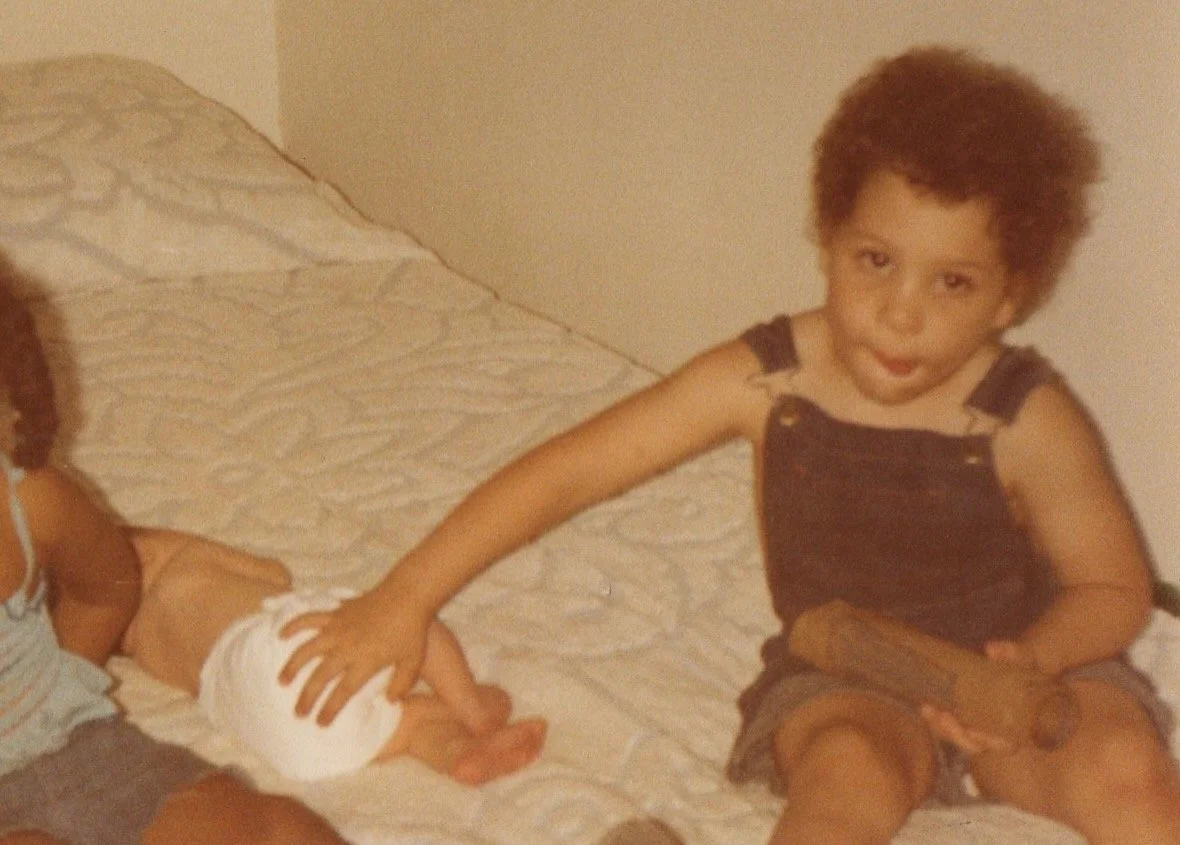
Growing Up in America’s Last Religious Commune
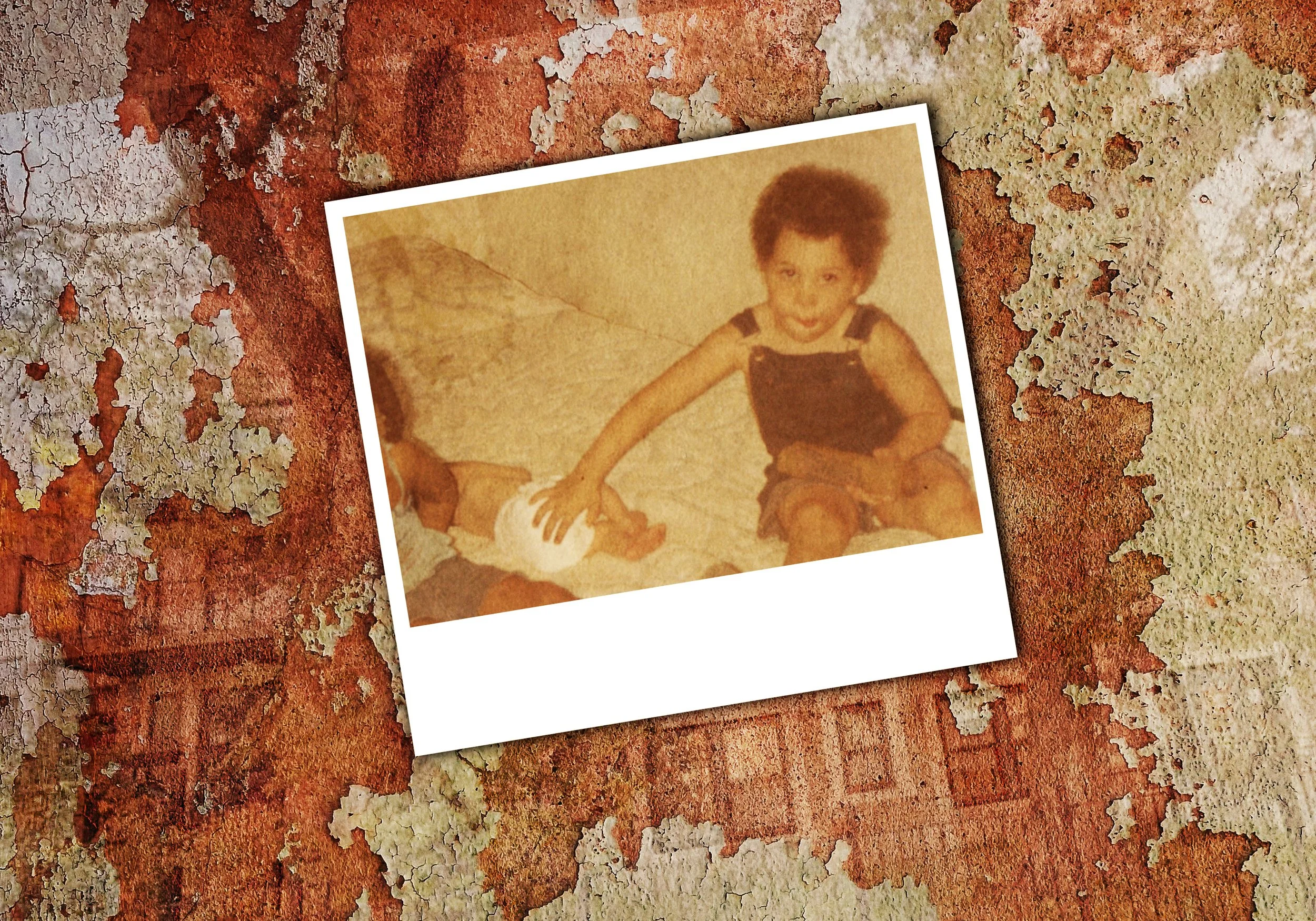
The Boy I Buried: Episode Four | The City Beneath My Skin
Jaime travels to Chicago to celebrate his brother’s graduation, and to say goodbye to the city.
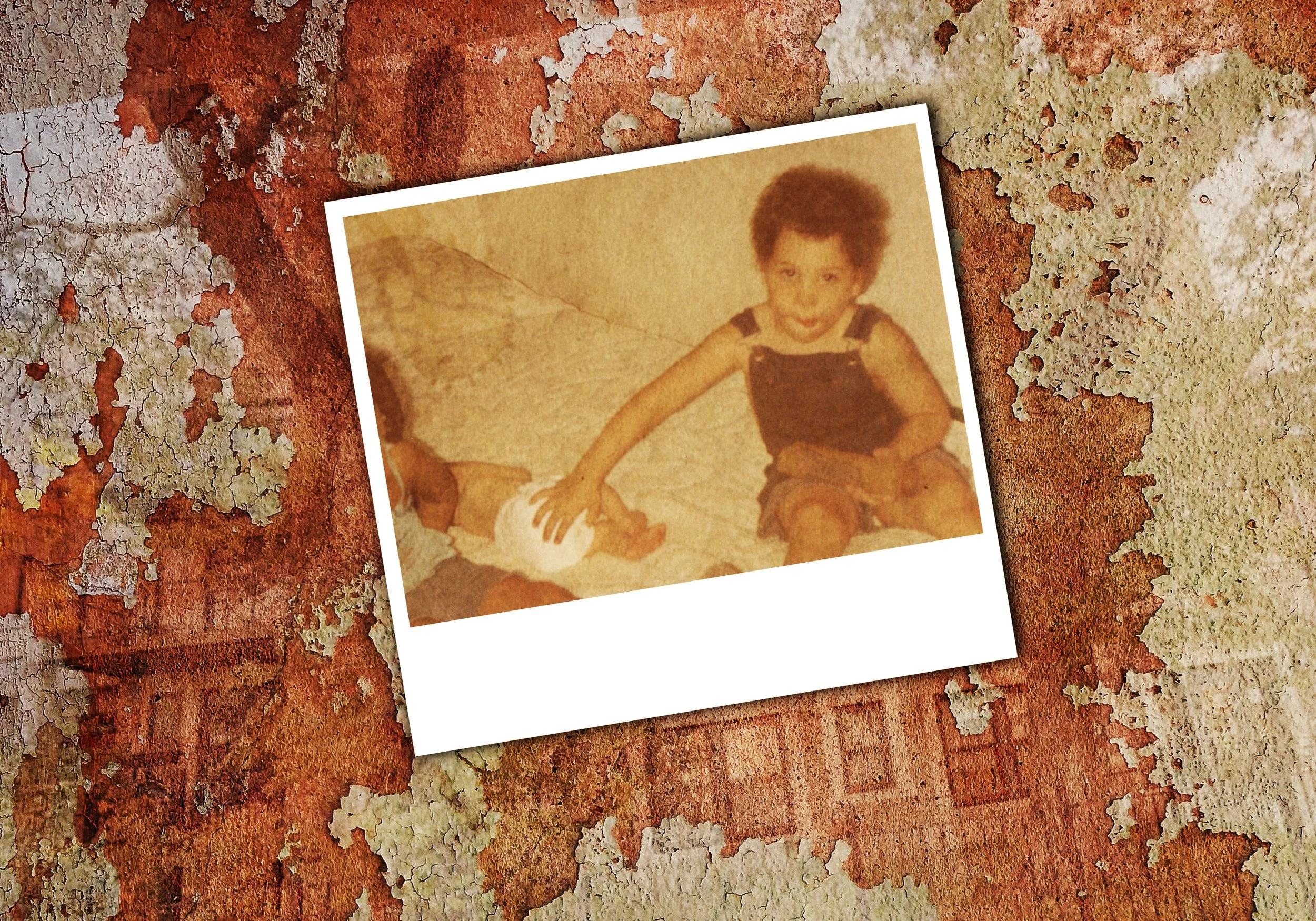
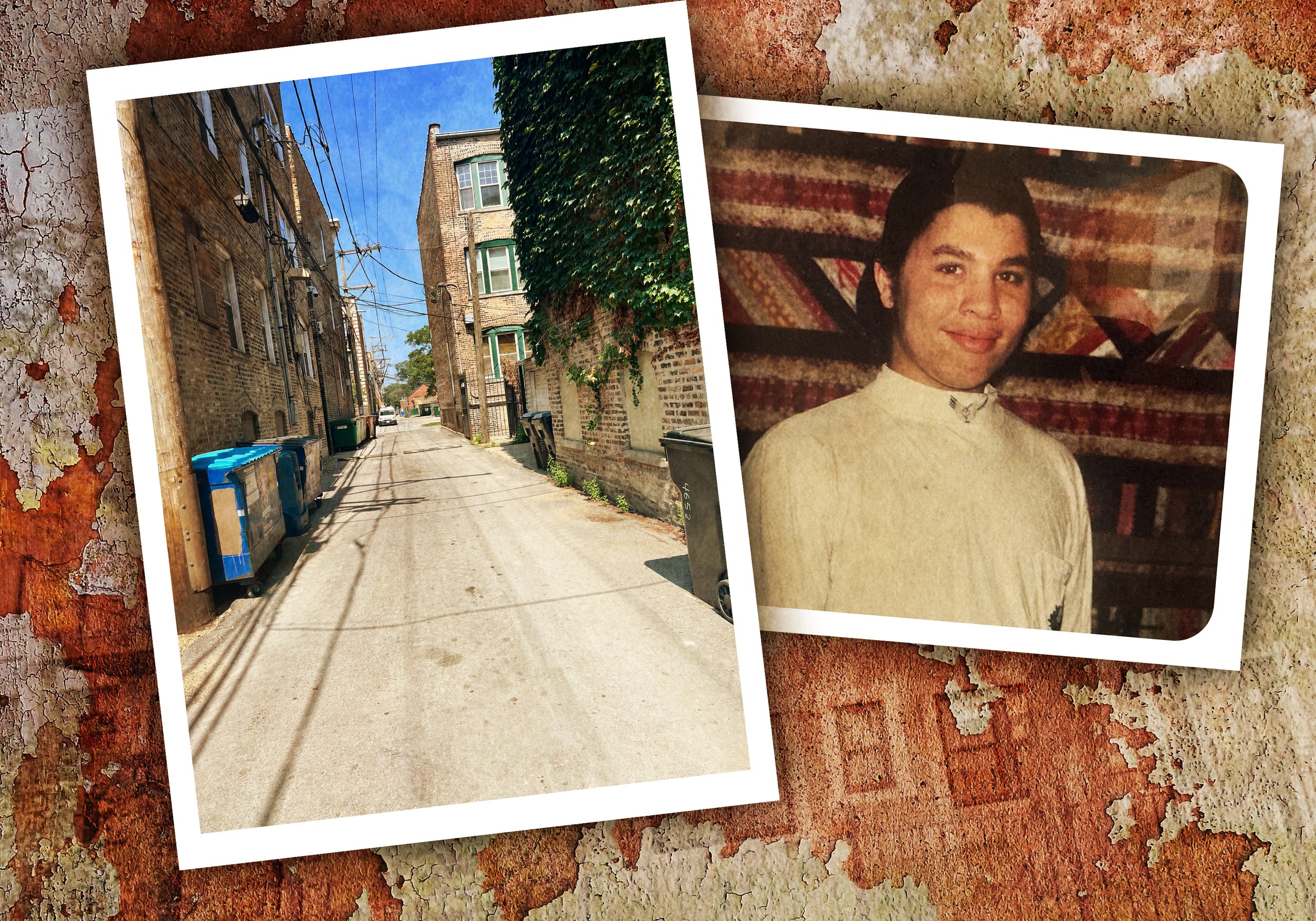
In Episode Four of The Boy I Buried, Jaime returns to Chicago for his brother’s graduation, but the city has other plans for him.
What begins as a trip home becomes a walk through memory, grief, and the streets that still seem to know who Jaime was. Back on Malden, the past doesn’t feel buried. It feels close. Alive. Waiting.
This episode is about returning to a place that shaped you, wounded you, and somehow still calls your name. Chicago becomes a living field of grief, a graveyard of memory and longing, where the boy I thought I buried may not be gone at all.
Episode Three: Exile and My Mother’s Arms
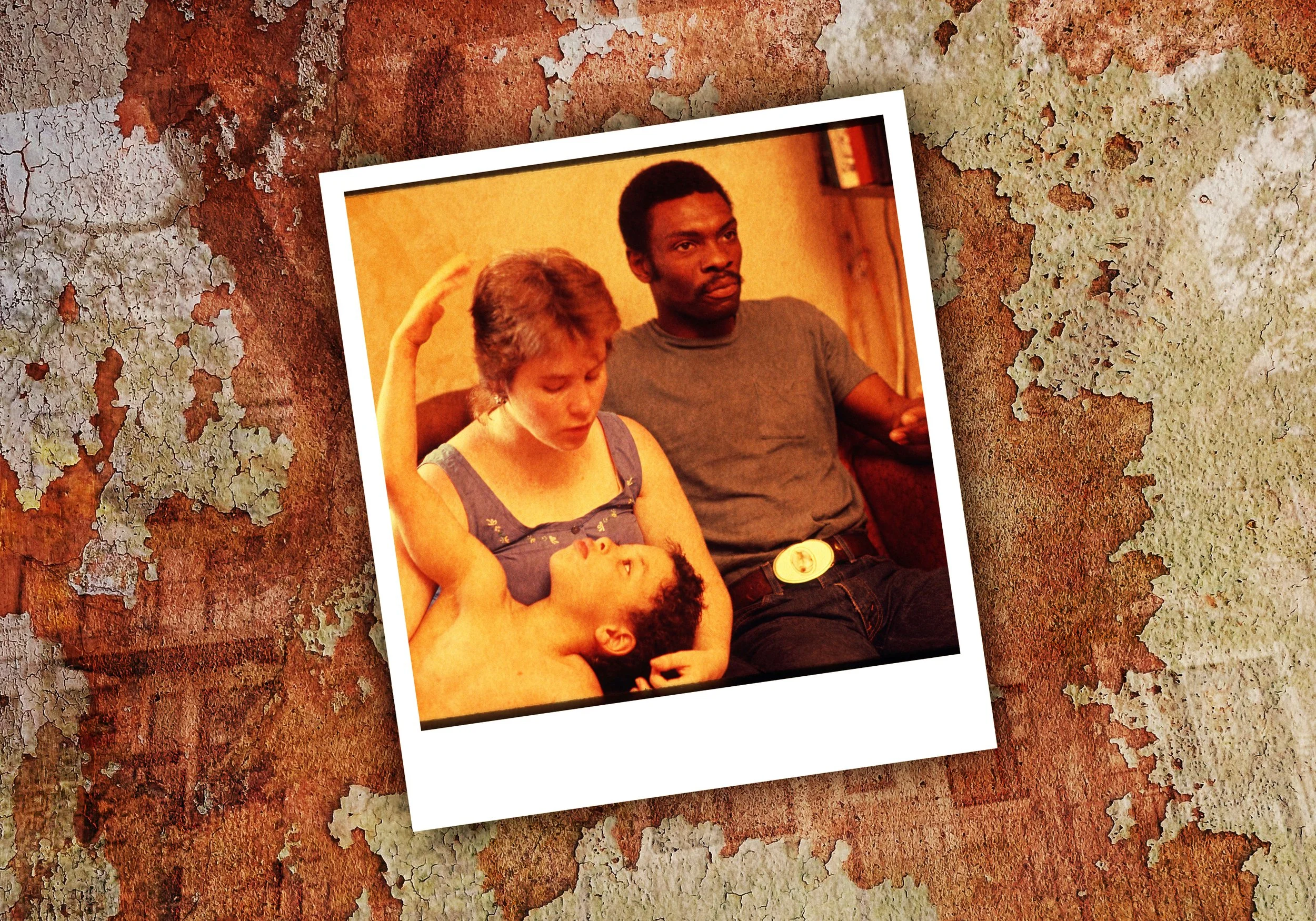
Jaime describes his relationship with his father and his mother and an event that would alter the course of his life at nine years old.
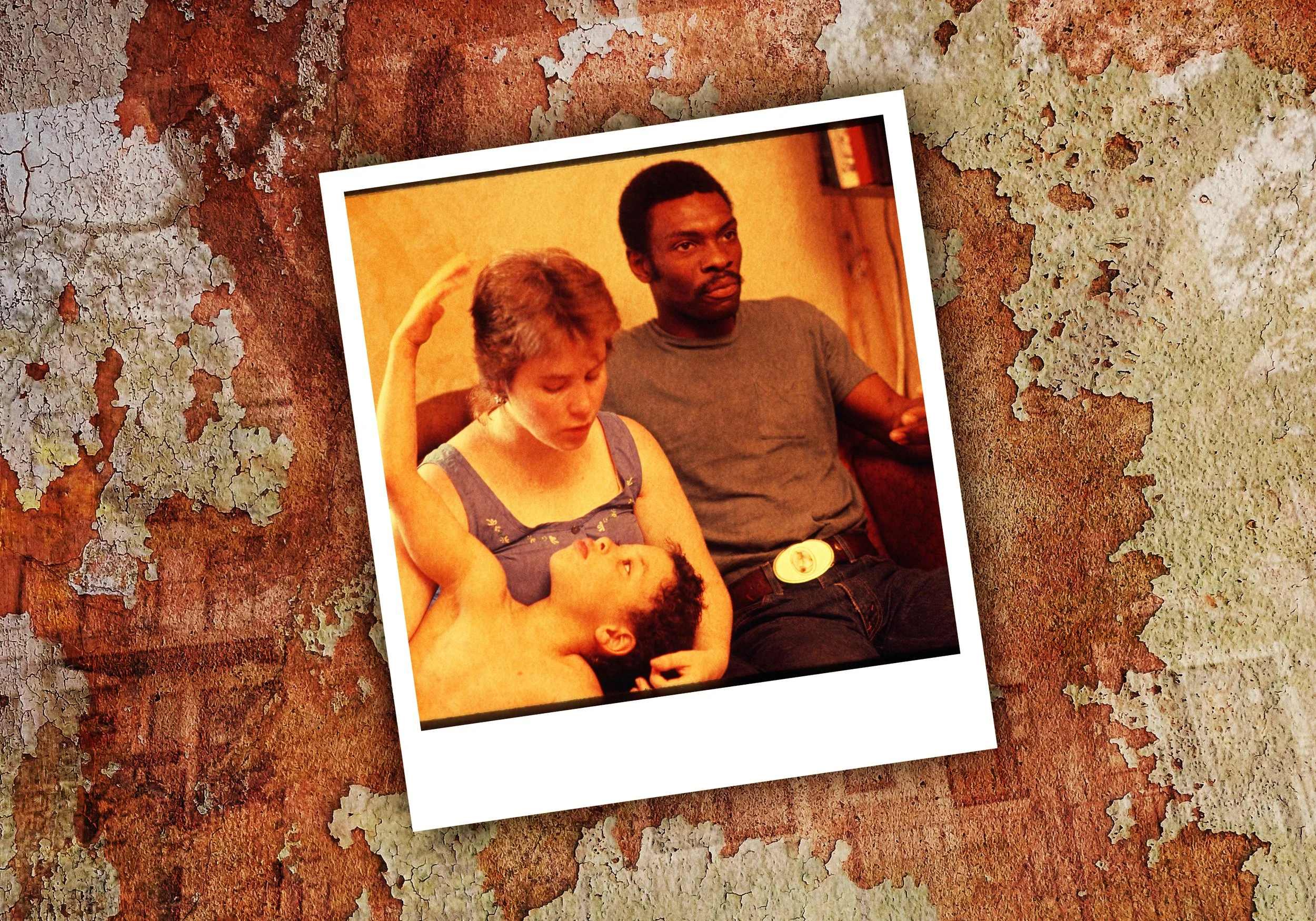
Episode Three begins with a poem about rooms, memory and the ghosts that continue to live inside them. From there, Jaime reflects on his childhood bond with his mother, his fascination with transformation, and the growing realization that he was different in ways that frightened the adults around him.
Set against the backdrop of communal fear surrounding homosexuality, Exile and My Mother’s Arms explores identity, shame, belonging and the cost of growing up without the language to understand yourself. The episode ends with a childhood experience that would shape the course of Jaime’s life for decades to come.
Episode Two: The Boy and the Truck
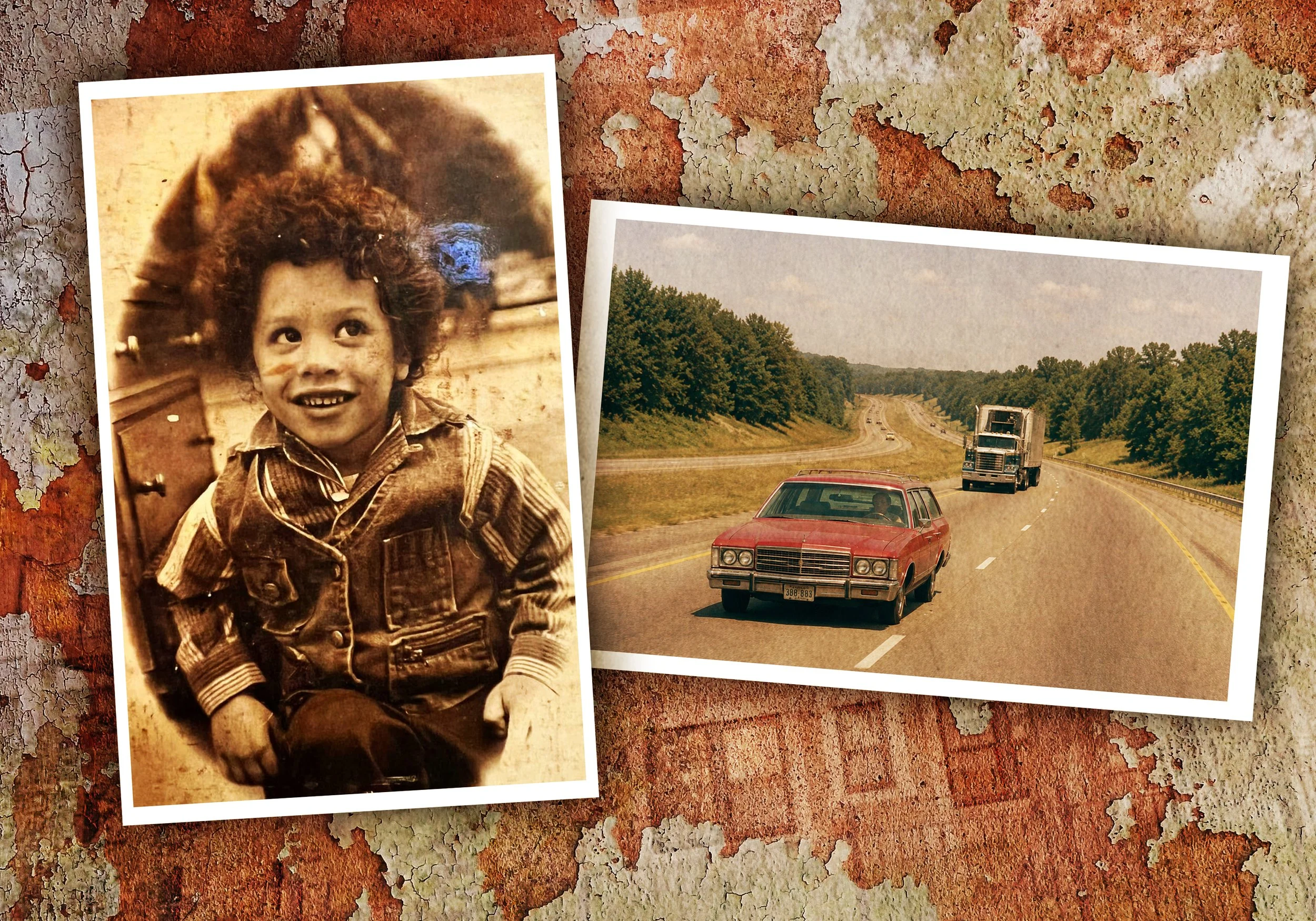
Jaime describes an unexplainable event that would shape his life.
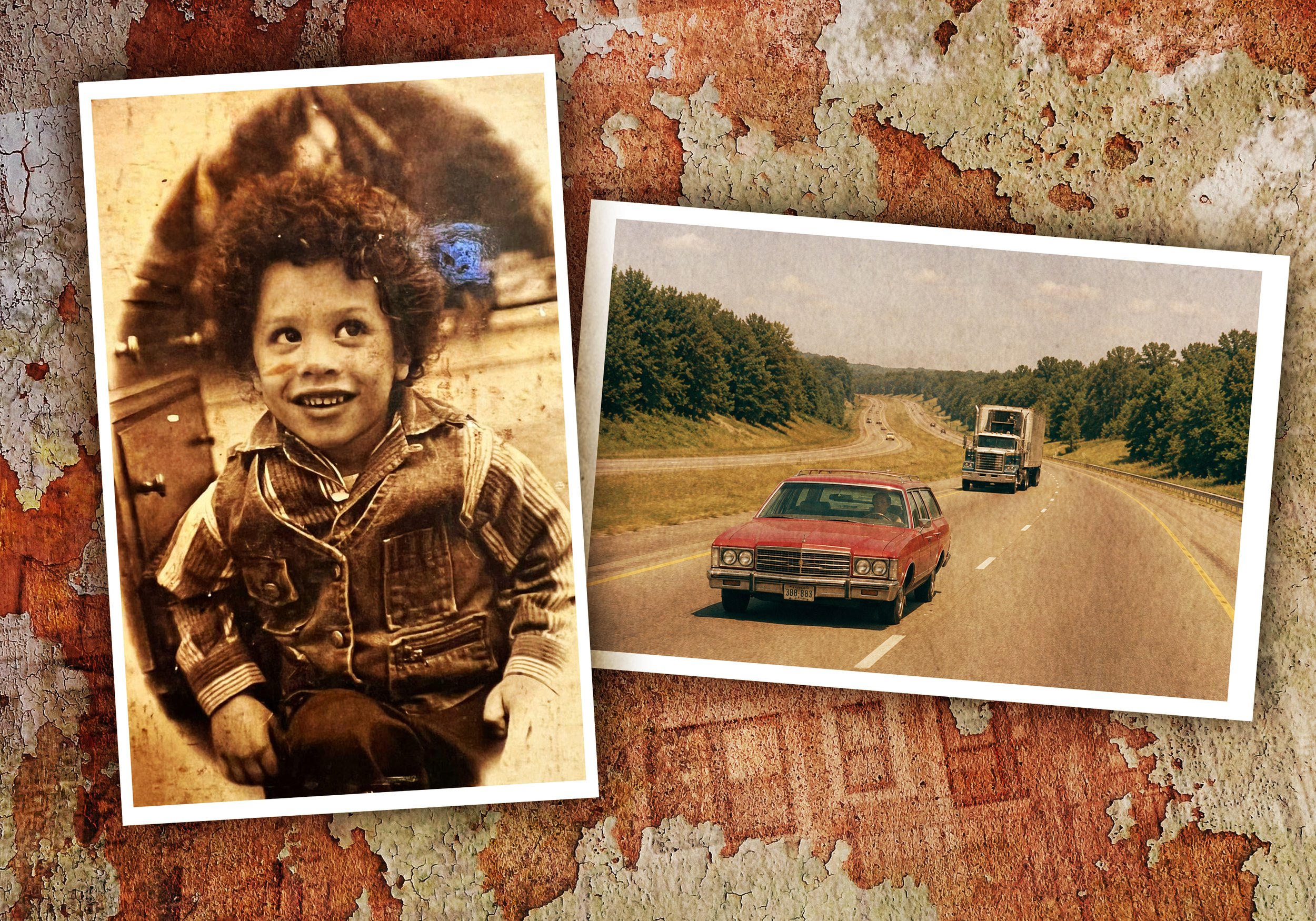
In Episode Two, Jaime returns to a childhood memory that should have ended very differently, a moment on the side of a highway that he still cannot fully explain. From there the story moves to the Missouri farm where childhood wonder slowly gave way to isolation, longing and exile.
Between forests, Phantom of the Opera cassette tapes and an endless ache for home, Jaime begins discovering that even beautiful places can become prisons when experienced alone.
Lawrence and 317
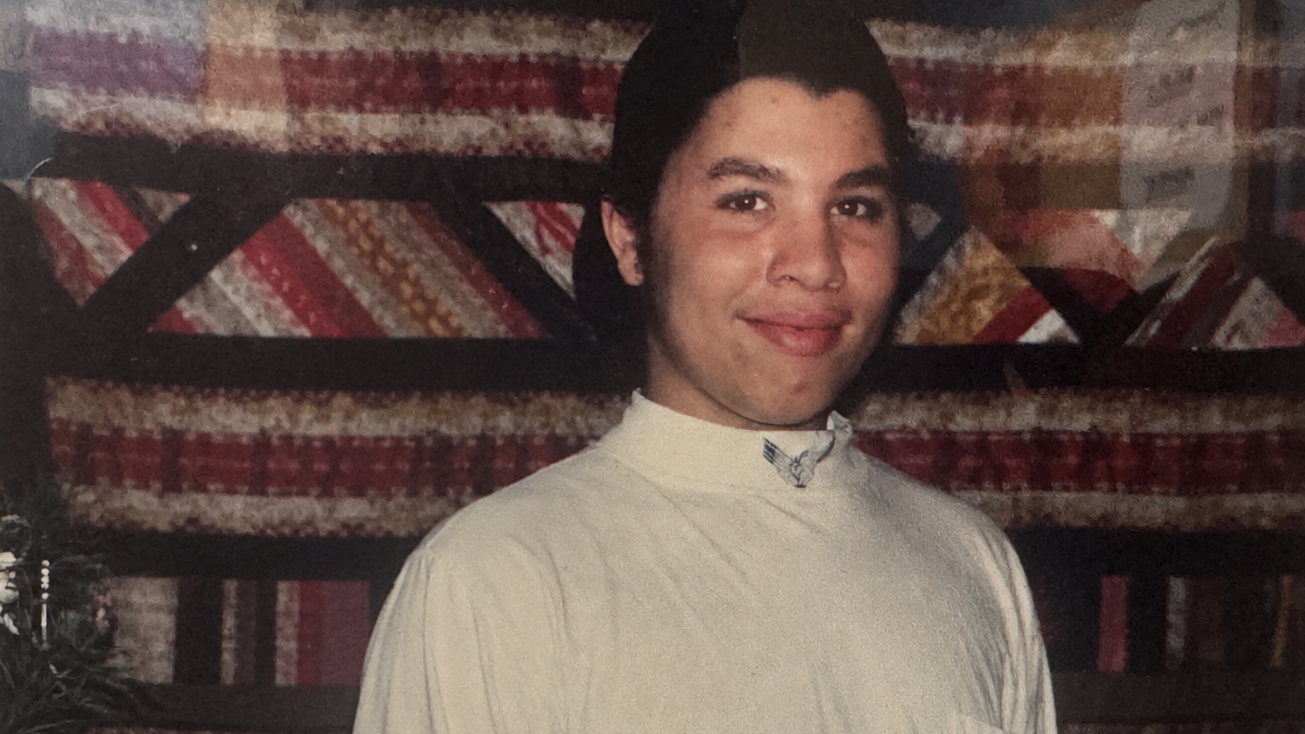
What begins as memories of a room called 317 slowly unfolds into something larger: a story of confinement, identity, grief, music, longing and the search for home after losing it.
The Boy I Buried is a memoir podcast by Jaime Prater told entirely in his own voice. Through immersive narration, sound, memory and confession, Jaime retraces his childhood growing up inside Jesus People USA, an intentional religious community on Chicago’s north side.
What begins as memories in 317, Jaime’s childhood bedroom, slowly unfolds into something larger: a story of confinement, identity, grief, music, longing and the search for home after losing it. This is not simply a story about the past. It is an attempt to understand the boy left behind and whether we ever truly stop carrying the rooms that made us.